Feed Finger Design Impact on Cycle Time in Multi-Spindle Machines
- nazmakhatoon1057
- 2 days ago
- 4 min read
In high-volume manufacturing, especially in industries like automotive and precision engineering, multi-spindle machines are built for speed and consistency.
But while most attention goes to cutting tools, spindle speed, or automation systems, one small component quietly influences everything—the feed finger.
It might look like a simple mechanical part, but in reality, its design has a direct impact on cycle time, stability, and overall machine productivity.
Why the Feed Finger Matters More Than It Looks
The feed finger is responsible for pushing and positioning bar stock into the collet system of a multi-spindle machine. Every cycle depends on how smoothly this happens.
When it works well, the machine runs like a well-synced rhythm. When it doesn’t, even slightly, the entire production line slows down.
A good feed finger ensures:
Smooth and accurate bar feeding
Proper alignment before gripping
Stable transfer without vibration
Fast and consistent cycle repetition
And in mass production, even a fraction of a second lost per cycle adds up to a huge production loss over time.
How Feed Finger Design Affects Cycle Time
Cycle time is not just cutting speed—it’s the total time taken for one complete machining process. Feed finger design affects it in more ways than most people realize.
Smoothness of Feeding Movement
If the feed finger moves unevenly or hesitates, the bar doesn’t reach the correct position on time. That delay directly increases cycle time.
Accuracy of Alignment
Even a slight misalignment forces the machine to correct positioning before clamping. That correction adds unnecessary seconds to every cycle.
Stability During Movement
If the feed finger vibrates or shakes during operation, the bar stock becomes unstable. The collet system then takes extra time to secure it properly.
Coordination with Collet Timing
Feed fingers must perfectly match the opening and closing timing of the collets. If they are even slightly out of sync, the spindle waits—and waiting kills productivity.
This is where precision components from trusted make a real difference, as accurate collet performance ensures smoother coordination with feed systems.
The Connection Between Feed Fingers and Collets
Feed fingers and collets work like partners in a synchronized system. One feeds the material, the other grips it for machining.
If either one is not precise, cycle time suffers.
For example:
If feeding is slow, collets stay idle longer
If gripping is delayed, feeding gets interrupted
If alignment is off, both systems lose time correcting errors
This is why industries rely heavily on precision tooling systems like , which are known for fast and reliable gripping in automatic machines.
Similarly, high-precision standards like help reduce inconsistency and improve cycle stability when paired with well-designed feed fingers.
What Makes a Good Feed Finger Design?
A good feed finger isn’t just about strength—it’s about balance, speed, and precision.
Proper Shape and Geometry
A smooth and optimized shape reduces friction and allows the bar to move faster without resistance.
Lightweight Construction
A lighter feed finger responds faster and reduces mechanical lag during motion cycles.
Wear Resistance
Since it operates continuously, durability is important. A worn feed finger can slowly increase cycle time without being noticed immediately.
Perfect Machine Synchronization
It must always stay in sync with spindle rotation and collet action. Even a small timing mismatch leads to delays.
How Different Collets Influence Cycle Time
The type of collet used in the system also plays a big role in overall efficiency.
Different applications require different collet designs:
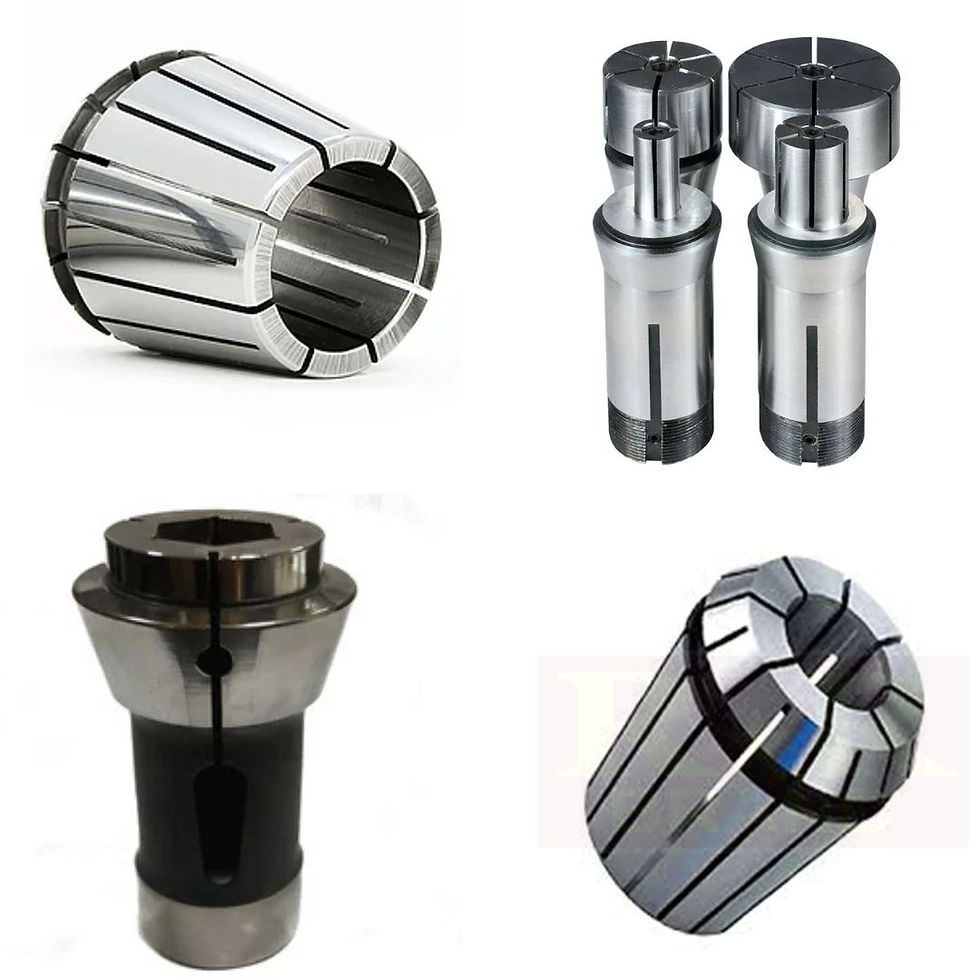
are flexible and widely used in CNC systems
are suitable for small precision parts
handle heavier gripping loads
are used for high-precision industrial operations
When feed fingers are matched correctly with the right collet type, cycle time becomes more predictable and efficient.
Problems Caused by Poor Feed Finger Design
When feed fingers are not designed properly, the impact is immediately visible in production:
Slow Production Cycles
Machines spend extra time waiting for correct bar positioning.
Frequent Feeding Errors
Misfeeds cause interruptions, rejected parts, or machine stoppage.
Increased Tool Wear
Incorrect alignment puts extra stress on collets and cutting tools.
Unstable Operation
Vibration and inconsistent movement reduce overall machining quality.
Over time, these issues lead to higher maintenance costs and lower productivity.
How to Improve Cycle Time Efficiency
Improving cycle time is not about speeding up one part of the machine—it’s about improving the entire system.
Here’s what helps:
Better Coordination Between Feed and Spindle
Modern machines use synchronized controls to ensure timing accuracy.
High-Quality Collets
Using reliable components from a trusted ensures consistent performance and reduces unexpected delays.
Regular Maintenance
Even the best-designed systems lose efficiency without proper upkeep.
Choosing the Right Collet Type
Matching the application with the right collet—whether DIN, Traub, or ER—improves overall cycle stability.
Final Thoughts
Feed fingers may not be the most visible part of a multi-spindle machine, but they play a major role in deciding how fast and efficiently the machine runs.
A well-designed feed finger ensures smooth material flow, better coordination with collets, and reduced cycle time. When combined with precision tooling systems like Traub, ER, DIN collets, A-25, A-42, and 161E collets, the result is a highly efficient and stable production process.
In the end, productivity doesn’t depend on one big improvement—it depends on many small components working perfectly together, and the feed finger is one of those silent contributors that makes everything faster and smoother.

Comments