Common Failures in Multi-Spindle Collets (And Solutions)
- nazmakhatoon1057
- Feb 24
- 3 min read
Multi-spindle machines are the backbone of high-volume production, allowing multiple components to be machined simultaneously with precision and efficiency.
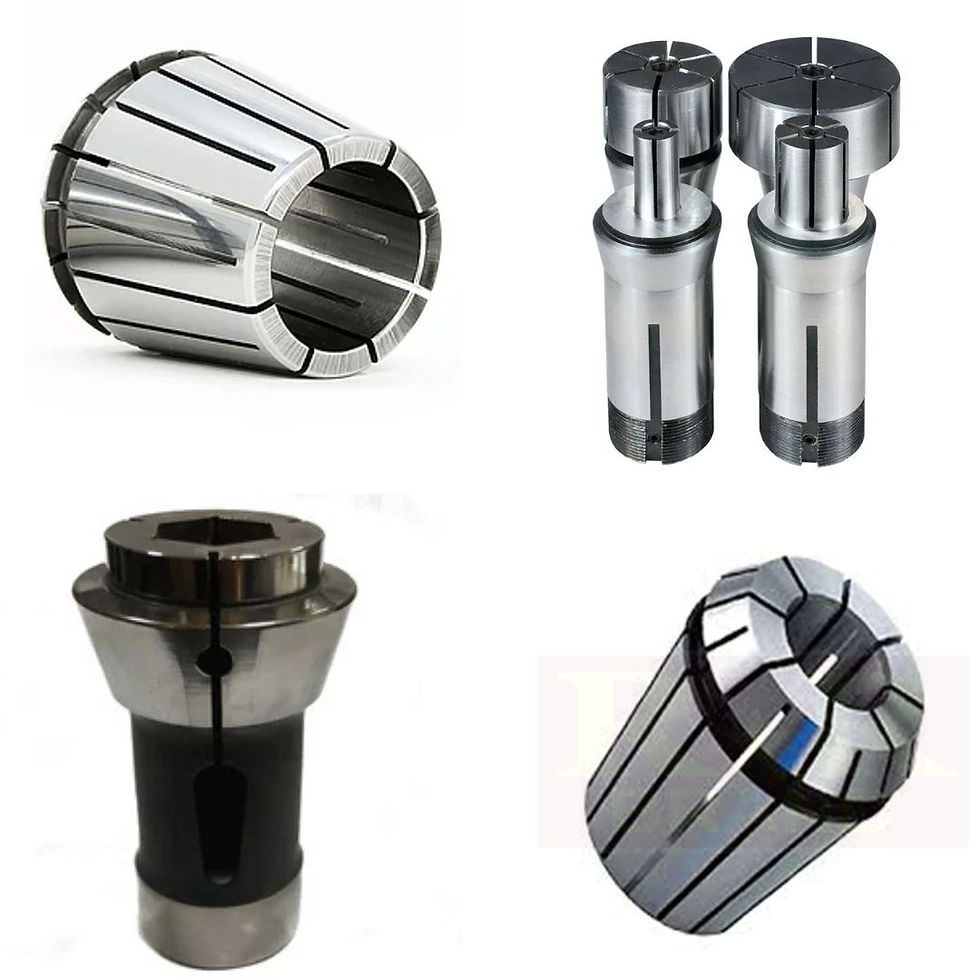
At the heart of these machines are Collets, which ensure secure clamping and consistent performance across all spindles.
However, even top-quality collets can experience issues over time if not used and maintained properly. Understanding the most common failures in multi-spindle collets — and how to prevent them — can save manufacturers time, reduce costs, and improve overall productivity.
Leading Collet manufacturers emphasize that careful handling, regular inspection, and proper selection are key to avoiding these problems.
1. Excessive Wear
One of the most common issues in multi-spindle collets is excessive wear. Continuous clamping and unclamping, along with high-speed rotations, can gradually erode the inner surfaces of the collet. This reduces grip strength, allows workpieces to slip, and can affect machining accuracy.
Solution:
Use high-quality collets such as Er collets or DIN 6343 Collets, which are designed to handle repeated use.
Inspect collets regularly for signs of wear, scratches, or deformation.
Replace worn collets promptly to maintain precision and protect both the workpiece and the spindle.
2. Misalignment and Runout
Even small misalignments in collets can lead to runout, negatively affecting surface finish and dimensional accuracy. Misalignment often occurs due to improper installation or uneven wear in multi-spindle setups.
Solution:
Ensure correct installation and torque when fitting collets.
Consider precision-engineered products like Traub collets, which are built for automatic lathes and high-speed operations.
Regularly check for runout using dial indicators or spindle testing tools to catch issues early.
3. Cracks or Fractures
Repeated stress and heavy clamping can lead to cracks in collets. This is especially true for collets that have not been properly heat-treated. A cracked collet can fail suddenly, potentially damaging the workpiece and machine.
Solution:
Invest in collets from trusted collet manufacturers that follow proper heat treatment processes and quality checks.
Avoid over-tightening beyond recommended torque limits.
Consider using specialized products like 161E Collets, which are designed for high-speed, high-stress applications.
4. Corrosion
Exposure to moisture, cutting fluids, or improper storage can cause rust and corrosion in collets. Corrosion reduces gripping efficiency, accelerates wear, and can result in uneven clamping.
Solution:
Store collets in clean, dry conditions.
Apply protective coatings or anti-rust sprays when not in use.
Use corrosion-resistant materials for collets such as A-25 Collets and A-42 Collets to extend lifespan.
5. Incompatibility with Machines or Workpieces
Using the wrong collet type or size can cause poor clamping, increased wear, and frequent breakages. Compatibility is critical, especially in multi-spindle setups.
Solution:
Consult a professional collet manufacturer in india to select the right collet for your machine and application.
Verify compatibility with CNC systems and multi-spindle chucks like CNC Collet Chucks.
Ensure products such as Din collets or DIN 6343 Collets match the required dimensions and tolerances.
6. Loss of Elasticity
Over time, collets may lose their spring tension due to repeated use or poor manufacturing, reducing their ability to clamp securely. This can affect both precision and safety.
Solution:
Choose collets from manufacturers that maintain strict heat treatment and tempering processes.
Check clamping performance regularly and replace collets that no longer hold workpieces firmly.
High-quality products like Traub collets and 161E Collets are engineered to retain elasticity even after repeated cycles.
Preventive Maintenance Tips
To maximize the lifespan of multi-spindle collets:
Clean collets after each use to remove chips and coolant residue.
Lightly lubricate if recommended by the manufacturer.
Rotate collets to ensure even wear in multi-spindle setups.
Keep spare collets on hand to avoid downtime during replacements.
Regular maintenance and proper handling go a long way in reducing failures and ensuring smooth production.
Final Thoughts
Failures in multi-spindle collets are common, but most can be prevented with careful selection, proper use, and regular maintenance. Working with experienced Collet manufacturers and a reliable collet manufacturer in india ensures consistent performance and durability.
High-quality products such as Traub collets, Din collets, Er collets, 161E Collets, A-25 Collets, A-42 Collets, and DIN 6343 Collets help manufacturers maintain accuracy, reduce downtime, and achieve better productivity.
Comments