Collet Clamping Force Testing Methods in CNC Workshops
Testing collet clamping force gives workshop teams a practical way to check the condition of their workholding system. Instead of waiting for machining problems to appear, technicians can identify changes in clamping performance during routine maintenance.
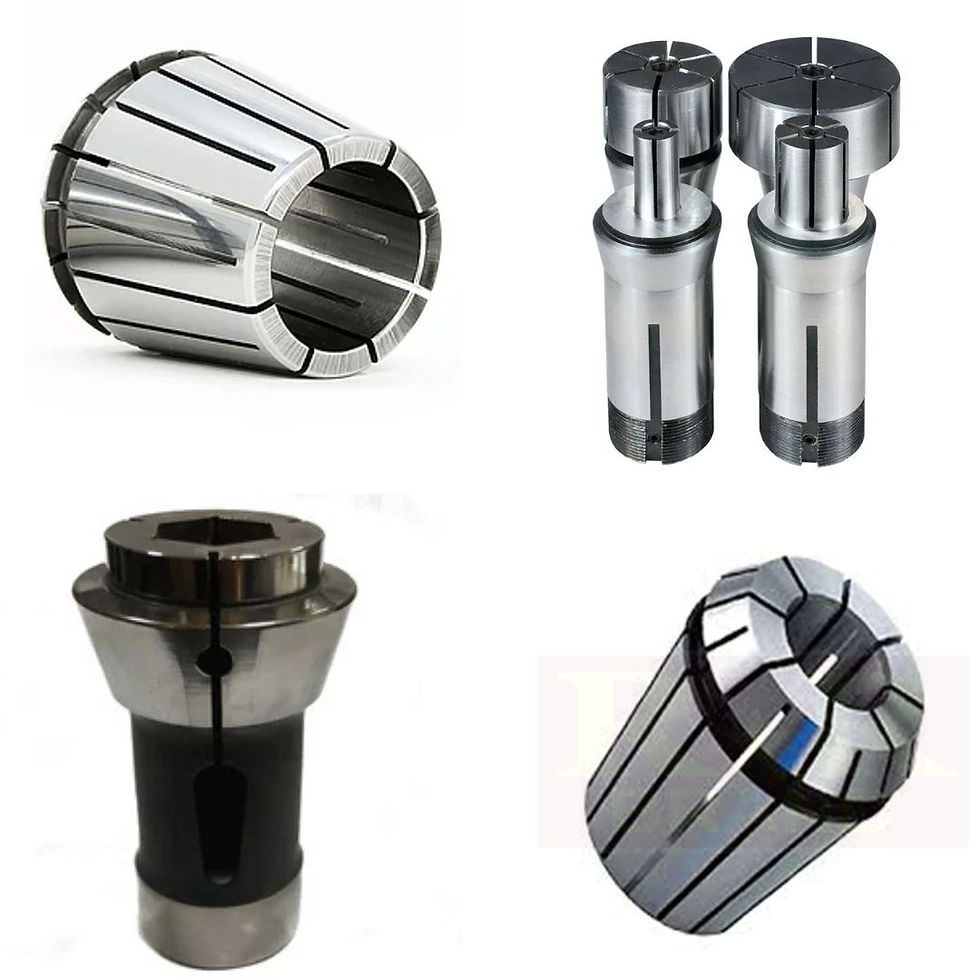
For workshops that depend on precision machining, choosing dependable Collet manufacturers is also important. A properly manufactured collet provides the consistency needed for reliable gripping and repeatable machining.
Understanding Collet Clamping Force
Clamping force is the pressure a collet applies around the tool shank or workpiece when the collet is tightened. This pressure keeps the component firmly in place while the spindle rotates and cutting forces are generated.
Several factors affect the amount of force produced. These include the collet design, material condition, tightening torque, collet nut, tool diameter, chuck condition, and cleanliness of the contact surfaces.
A collet can still look good visually and fail to provide the same gripping force it delivered when new. Regular testing can reveal this gradual loss of performance.
For CNC workshops sourcing components from a trusted collet manufacturer in india, testing can become part of a broader quality-control and maintenance routine.
Why Clamping Force Testing Matters
A CNC machine depends on a stable connection between the spindle, holder, collet, and tool. If that connection is weak, even a small amount of tool movement can affect the finished component.
Low clamping force may allow the tool to slip during cutting. This can result in dimensional errors, poor surface finish, chatter, or premature tool failure. In some situations, it can even damage the workpiece.
Too much force is not necessarily better. Excessive tightening can put unnecessary stress on the collet and may damage delicate tools or components.
Testing helps establish what is actually happening inside the workholding system rather than relying only on the operator's judgment.
Mechanical Force Testing
A mechanical clamping-force tester is one of the straightforward ways to check collet performance. A suitable test mandrel or measuring device is placed in the collet, and the collet is tightened using the normal procedure.
The tester then measures the force generated by the gripping action.
This method is useful for maintenance teams because it provides a direct measurement that can be compared with previous results or recommended values. If a collet that once produced consistent force begins showing a noticeable reduction, it may be time for closer inspection or replacement.
Load Cell Testing
Load cells are another useful option for workshops that need accurate and repeatable measurements. A load cell detects mechanical force and converts it into an electrical signal that can be displayed on a digital instrument.
The biggest advantage is that measurements can be recorded and compared over time. This is particularly helpful in production environments where the same type of collet is used repeatedly.
For example, a workshop can record the initial clamping force of a new collet and use that measurement as a reference during future inspections. A gradual decline can indicate wear, damage, or changes in the clamping assembly.
Torque Testing
Torque is closely connected to collet clamping performance. For this reason, many workshops use a calibrated torque wrench when tightening collet nuts.
Using the correct tightening torque creates consistency between operators. It also reduces the chances of someone overtightening or undertightening the collet.
However, torque and clamping force are not exactly the same thing. Friction in the threads, nut, and mating surfaces can change the relationship between the torque applied and the actual gripping force produced.
That means torque control is an important part of correct installation, but it should not be considered a substitute for direct clamping-force measurement when precise verification is required.
Pull-Out Testing
Pull-out testing focuses on how securely a tool or workpiece is held. A controlled pulling force is applied to the component while technicians monitor for movement.
If the tool begins moving under a load that the setup should normally withstand, it can indicate a problem with the gripping system.
Possible causes include a worn collet, incorrect collet size, contamination, damaged contact surfaces, or improper tightening.
Pull-out testing should always be carried out with appropriate equipment and controlled procedures. Manual force or improvised testing methods can produce unreliable results and may create unnecessary safety risks.
Testing ER Collets
ER collets are commonly found in CNC workshops because they can accommodate a range of tool diameters and are suitable for many machining operations.
Before testing an ER collet, it is important to clean the collet, nut, tool shank, and holder. Even small chips or dirt trapped between mating surfaces can affect both gripping force and runout.
The collet should then be assembled correctly and tightened according to the recommended procedure. The measured clamping force can be recorded and compared with previous results.
Testing Specialized Collets
Not all machining systems use the same type of collet, so the testing procedure should be suitable for the particular design.
For example, Traub collets are used with specific automatic machining systems and should be checked according to their intended application.
Specialized products such as A-25 Collets and A-42 Collets also require the correct machine and workholding arrangement.
The same principle applies to 161E Collets. Using the right measuring setup helps technicians obtain meaningful results instead of relying on measurements that do not match the collet's intended operating conditions.
For applications based on recognized dimensions and specifications, DIN 6343 Collets can also be included in regular inspection and maintenance programs.
Check the Entire Collet Assembly
One common mistake is to blame the collet immediately when clamping performance drops. The collet is only one part of the complete workholding assembly.
The collet nut, chuck, spindle interface, and tool shank can all affect the final result. CNC collet chucks should therefore be inspected along with the collet itself.
Technicians should look for damaged threads, worn contact surfaces, contamination, cracks, and signs of deformation. If one component is damaged, replacing only the collet may not solve the underlying problem.
Creating a Practical Testing Routine
A good testing program does not have to be complicated. The first step is to establish a baseline using a new or properly functioning collet.
Record the measured clamping force along with the collet type, tool size, tightening torque, date, and testing equipment used. Future measurements can then be compared with this baseline.
The testing frequency can depend on workload. High-volume CNC production environments may need more frequent checks, while workshops with lighter workloads can include force testing in scheduled maintenance.
Keeping records is particularly useful because gradual changes are easier to identify when previous measurements are available.
Good Practices for Reliable Results
Cleanliness should be a priority before every test. The collet, nut, chuck, and test mandrel should be free from chips, oil buildup, and other contaminants.
Testing equipment should also be properly calibrated. Measurements from an inaccurate instrument can create a false impression of good or poor collet performance.
Operators should follow the same procedure each time. Consistent tightening torque, tool positioning, test conditions, and measurement methods make it much easier to compare results.
It is also important to use compatible components. Mixing unsuitable collets, nuts, holders, or tools can affect clamping performance and make test results difficult to interpret.
Conclusion
Collet clamping force testing is a practical way to keep CNC machining operations stable and predictable. It helps workshops identify worn components, poor tightening practices, contamination, and other problems before they lead to machining defects.
Mechanical testers, load cells, torque-controlled installation, and controlled pull-out tests can all be useful depending on the application. The key is to use a consistent method and keep track of the results.
A simple testing routine, combined with proper installation and maintenance, can help improve tool retention, machining accuracy, surface finish, and overall production reliability.

Comments